
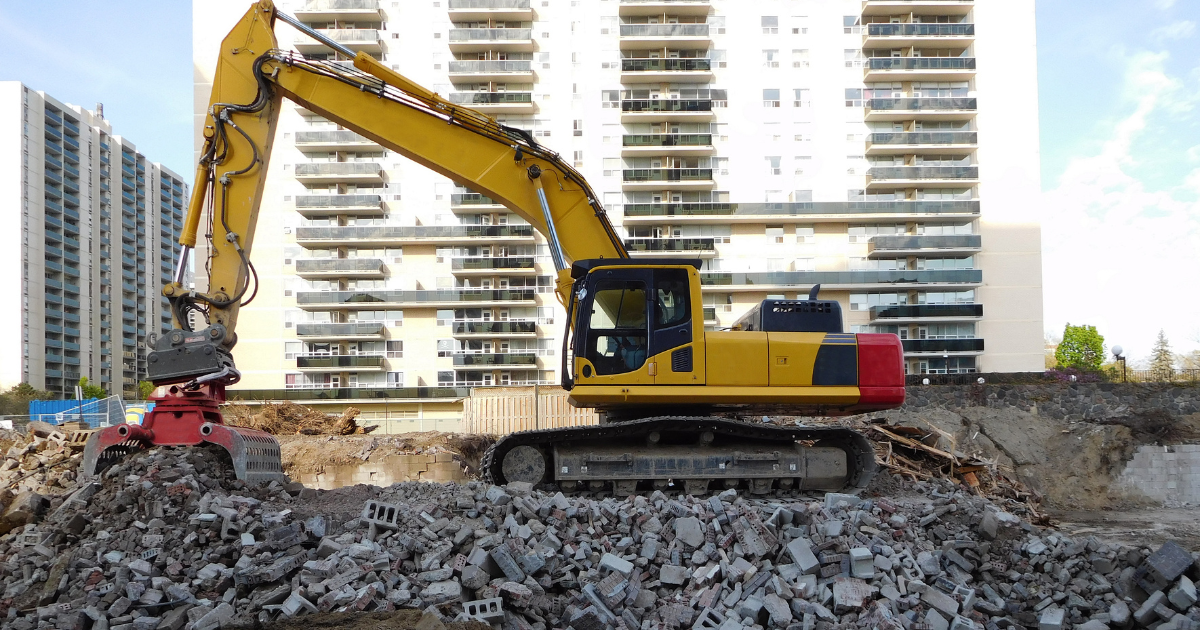
Site clearances in Stoke-on-Trent involve the comprehensive removal of existing structures, debris, and vegetation from a property to prepare it for new development. This essential process transforms unused or deteriorating land into viable construction sites, making way for residential, commercial, or industrial developments. Given Stoke-on-Trent’s rich industrial heritage, particularly its pottery industry legacy, site clearance projects often require specialized expertise to handle unique challenges such as historic structures, contaminated soil, and varied terrain conditions that characterize this distinctive Staffordshire city.
Initial Site Assessment and Planning
Every site clearance project begins with a thorough site assessment conducted by qualified professionals. This crucial phase involves comprehensive surveys to identify existing structures, utilities, and potential hazards. Environmental assessments determine soil composition, contamination levels, and the presence of hazardous materials like asbestos, which may be found in older industrial buildings common throughout Stoke-on-Trent.
During this planning stage, specialists develop a detailed clearance strategy that addresses specific site requirements, local regulations, and environmental considerations. The assessment also identifies materials that can be recycled or require special disposal methods, ensuring compliance with waste management regulations and environmental protection standards.
Waste and Debris Removal
The waste removal phase focuses on systematically clearing various types of debris and unwanted materials from the site. These materials typically include:
- General household or commercial waste
- Construction materials and rubble
- Metal components and fixtures
- Hazardous substances requiring specialized disposal
Professional clearance teams employ proper sorting techniques to maximize recycling opportunities and minimize landfill waste. Materials like metals, concrete, and timber are often separated for recycling, contributing to sustainable development practices while reducing overall project costs.
Structure Demolition and Clearing
Structural demolition requires careful planning and specialized equipment to safely remove buildings, foundations, and infrastructure. In Stoke-on-Trent, where many sites feature historic pottery kilns, industrial buildings, or Victorian-era structures, demolition teams must consider architectural significance and potential preservation requirements.
Safety protocols are paramount during this phase, with controlled demolition techniques protecting surrounding properties and ensuring worker safety. Heavy machinery such as excavators, bulldozers, and concrete crushers are employed systematically to dismantle structures while minimizing dust and noise impact on neighboring areas.
Vegetation and Ground Clearing
Vegetation removal involves clearing trees, shrubs, and ground cover along with their root systems to prevent future growth interference. This process requires careful consideration of protected species and mature trees that may have preservation orders.
Ground clearing addresses soil preparation and leveling requirements for future development. On former industrial sites common in Stoke-on-Trent, this phase often involves soil testing and remediation to address contamination from previous manufacturing activities, ensuring the land meets current safety and environmental standards.
Site Preparation for Development
The final preparation phase transforms the cleared site into a development-ready plot. This involves soil compaction to create stable foundations, installation of proper drainage systems, and final grading to achieve required levels and slopes.
Professional teams ensure the prepared site meets all regulatory requirements, building codes, and planning permissions before handover to developers. This comprehensive approach to site clearance in Stoke-on-Trent guarantees that cleared sites provide solid foundations for successful development projects while respecting the city’s unique heritage and environmental considerations.